· Hi Mah Jongg Team · Sourcing Guide · 3 min read
OEM Mahjong Tiles: File, Prototype, and Mass-Production Approval Checklist
Approval checklist for OEM mahjong tiles — art file lock, prototype review, and mass-production gates so American Mah Jongg faces stay remakeable.
 Sourcing Guide
OEM mahjong tiles fail in the gap between “we like the mockup” and “carton passed QC.” This page is an approval checklist across file lock → prototype → mass production. It is not the full set OEM timeline (OEM process) and not the first-time order path (order custom tiles). Commercial home: custom mahjong tiles hub.
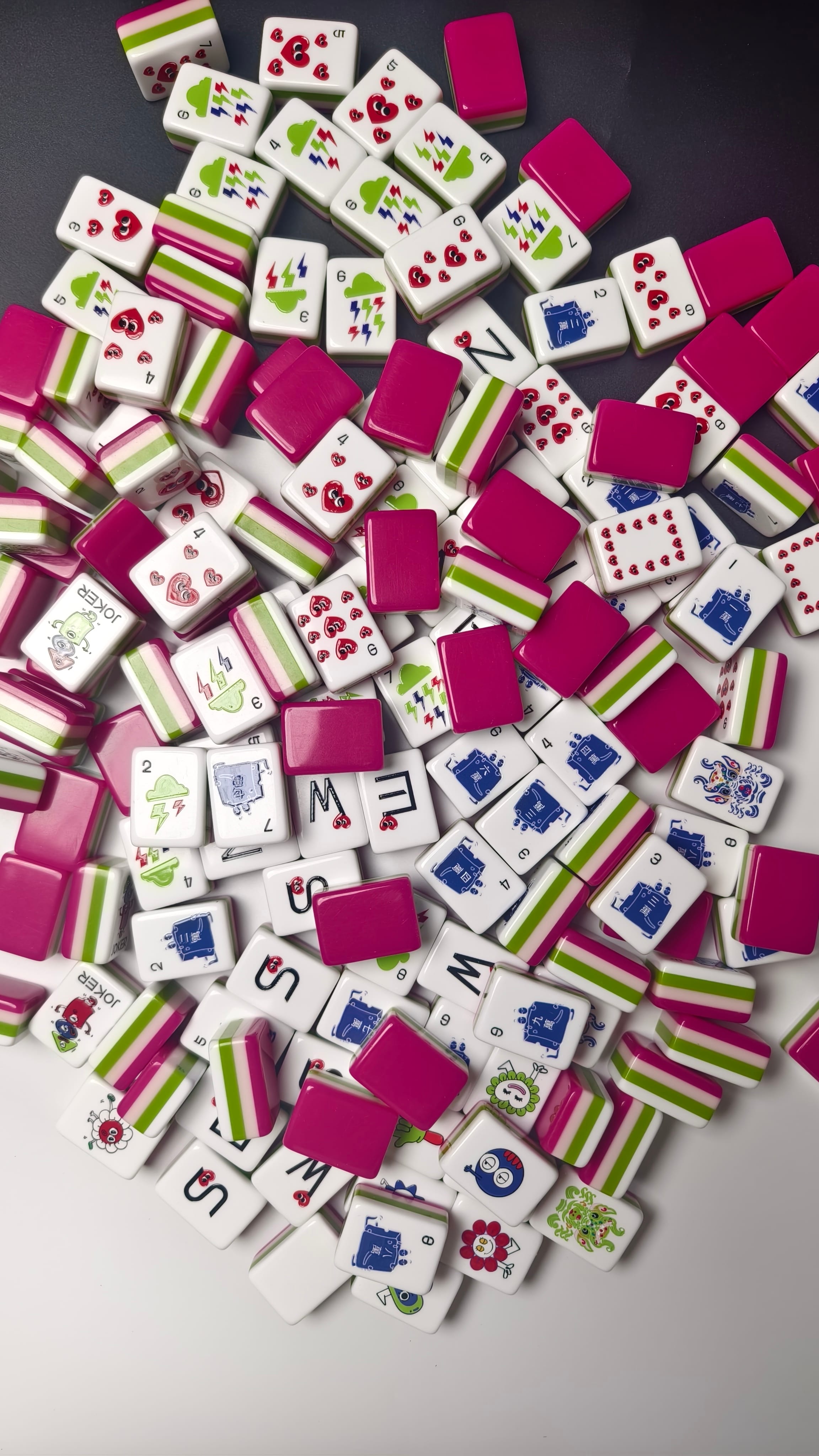
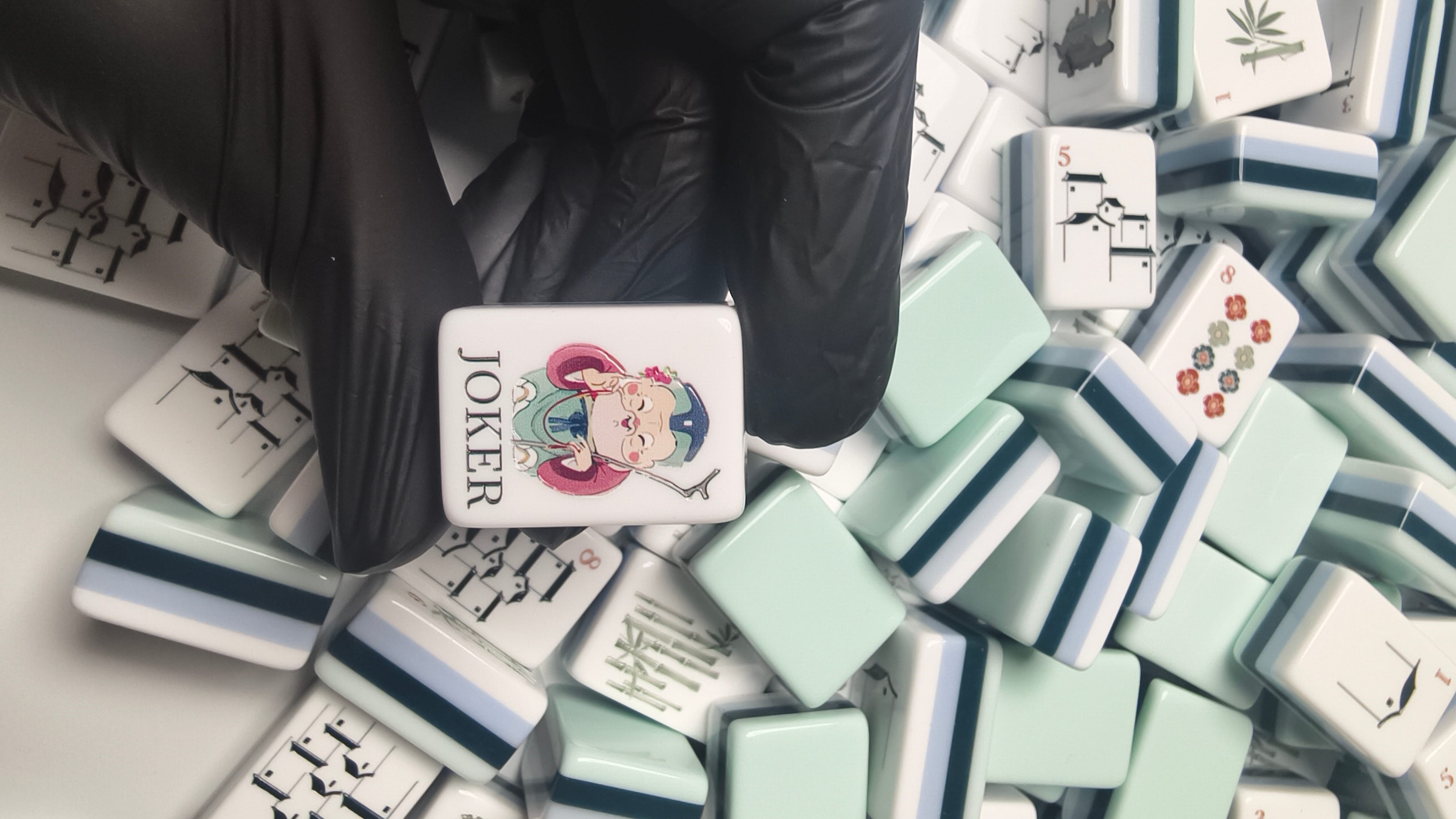
Hi Mah Jongg runs factory-direct American Mah Jongg OEM — sample or one pilot set before bulk whenever faces are new. Approvals should be written, versioned, and attached to the BOM.
Gate A — File approval (before any plastic is cut)
Sign off only when:
- American inventory assumption stated (jokers/flowers confirmed)
- Face art version ID assigned (filename + date)
- Back / logo file version ID assigned
- Body + side-layer color targets listed
- Readability check: ranks remain clear at table distance
- IP review done (no third-party marks)
- Packaging art separated from face art
Soft-proof OK is layout approval — not production fill approval. Say that in email so teams do not argue later.
Gate B — Prototype / sample / pilot-set approval
Physical review checklist:
| Check | Pass criteria (buyer language) |
|---|---|
| Face clarity | Fills readable; no crushed ranks |
| Layer colors | Match agreed order under daylight |
| Edges | Smooth, consistent, no sharp flash |
| Backs | Logo placement matches art ID |
| Set count | Full American count as quoted |
| Hand-feel | Acceptable for long club sessions |
Photograph the approved sample. List change items in one reply — not three chat threads. If changes are major, expect a new prototype; if minor, confirm whether they apply on bulk without a second sample (ask in quote).
Gate C — Mass-production approval
Before the factory releases the bulk run:
- Written “approved for mass production” with art version IDs
- BOM locked (colors, layers, accessories, packaging)
- QC sampling plan acknowledged (what they check, how rejects handled)
- Carton marks / private-label copy frozen
- Ship mode and destination port noted
- Reorder contact + lead-time ask logged (qualitative; confirm on quote)
After Gate C, treat face tweaks as a new project version, not a free mid-run edit.
Who signs each gate (keep one owner)
OEM programs stall when marketing, ops, and a freelance designer all “approve” in chat. Assign:
| Gate | Suggested owner | Artifact |
|---|---|---|
| File lock | Brand / art lead | Art version ID + PDF/SVG set |
| Prototype AP | Product owner + QC reviewer | Photos + written change list |
| Mass AP | Buyer / PM who owns the PO | Email “approved for mass production” |
Copy Hi Mah Jongg (or your factory contact) on the mass AP so production does not start from a Slack emoji. If multiple stakeholders must sign, collect signatures before asking the factory to cut bulk.
How gates map to commercial hubs
- Tile OEM commercial: custom mahjong tiles
- Full-set programs: custom mahjong set
- Volume after lock: wholesale & private label
- Spec language: acrylic OEM specs / multi-layer guide
Closing RFQ checklist
Product: OEM American Mah Jongg tiles (approval-gated)
Art file version: [ID]
Prototype path: [sample / one pilot set]
Mass gate: written AP after daylight review
MOQ / quantity: [ask in quote]
Sampling: [cost, rounds, credit — ask]
Artwork formats: [list]
Packaging: [export / gift / private label]
Lead time: [sample vs bulk — ask]
Destination port / ship-to: [country]
Change policy: [ask what post-AP edits cost]
Submit on the inquiry form. No invented prices or day counts on this page.
Related guides
- Custom Mahjong Tiles hub
- Custom Mahjong Set OEM Process
- Custom Acrylic OEM Specs
- Tiles Manufacturer Guide
- Wholesale MOQ & Pricing
Next step
- Assign art version IDs before the first sample
- Align scope on the tiles hub
- Request a factory quote with Gates A–C named
Clear approval gates are how OEM tile programs stay remakeable — and how brand teams avoid “almost the same” reorders.